


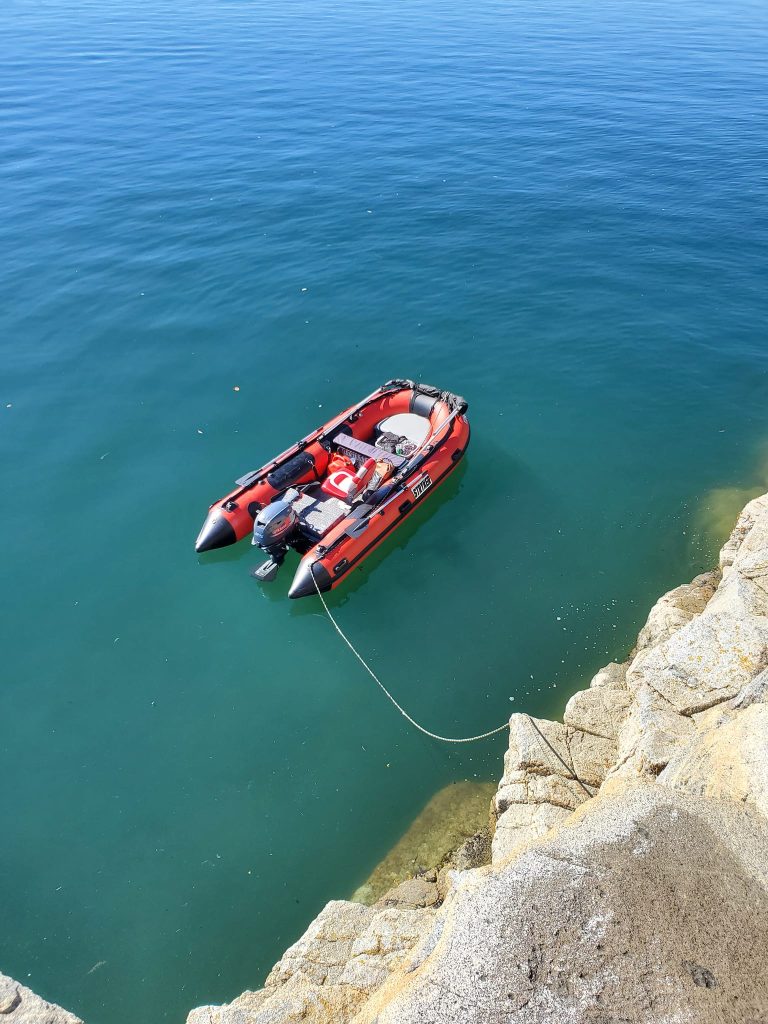
Over the past decade, inflatable boats have undergone one of the most significant transformations in marine engineering.
Among the brands driving this evolution, Stryker Boats has steadily positioned itself as a leader in durability, functionality, and user-focused innovation. Founded in 2004, the company built its reputation on rugged construction, practical features, and affordability without sacrificing performance.
Comparing Stryker Boats around 2020 with the lineup and philosophy seen in 2026 reveals more than just product upgrades. It reflects a broader shift in how recreational, professional, and adventure boating is designed and experienced.
By 2020, Stryker Boats had already established itself as a trusted name in the inflatable boat market. The brand was known for building boats that prioritized real-world performance over cosmetic appeal. These boats were designed to handle rugged shorelines, heavy use, and demanding environments.
The lineup during this period primarily included the LX Series for recreational use, the HD Series for heavy-duty applications, and the PRO Series for professionals and shallow-water performance needs.
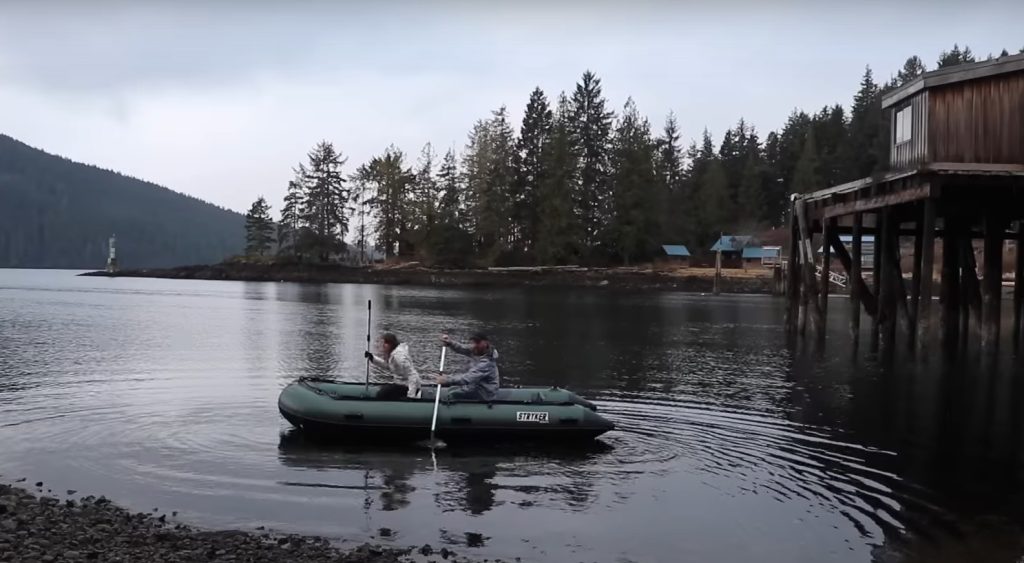
Core characteristics of 2020 models
In 2020, Stryker boats emphasized structural durability. Most models featured multi-air chamber safety systems, reinforced PVC tubes, aluminum flooring systems, and traditional transom construction methods. These boats were dependable and stable, making them popular among anglers, hunters, and outdoor enthusiasts. However, compared to what would emerge later, the 2020 models reflected a more traditional approach to inflatable boat engineering.
Traditional construction methods
Many inflatable boats in 2020 relied on glued seams and wood-core or hybrid transoms. While effective, these methods had long-term limitations, especially in extreme climates or under repeated heavy stress. Durability was strong, but maintenance and aging were still factors owners had to consider over time.
Modular accessory design
Technology integration was minimal compared to today’s standards. Fish finders, rod holders, mounts, and other accessories were typically added aftermarket. Boats were versatile, but they were not yet designed as fully integrated adventure systems. Owners valued portability, stability, and practicality more than high-speed hydrodynamics or factory-installed customization options.
Performance expectations
In 2020, performance meant reliability and balance rather than refinement. Users appreciated steady handling and predictable behavior in calm and moderately rough waters. Speed and fuel efficiency were secondary to stability and toughness.
Overall, the 2020 lineup represented a dependable, rugged inflatable platform built for real-world use.
The transition phase
Between 2020 and 2022, Stryker began implementing structural and design upgrades that would define the next generation of its boats. These changes were not cosmetic tweaks. They were engineering shifts that redefined durability and performance. Key upgrades during this period included thermowelded tube construction, one-piece aluminum transoms, improved hull protection, and better accessory integration. This marked a turning point. Inflatable boats were no longer simply portable vessels. They were becoming fully engineered marine systems.
Stryker boats in 2026
By 2026, Stryker’s boats reflect the accumulation of multiple engineering improvements. The design philosophy has matured, focusing on longevity, structural integrity, and user experience.
Advanced hull design
One of the most noticeable differences between 2020 and 2026 models is hull refinement. Earlier inflatable boats prioritized portability and structural simplicity. By contrast, newer models feature improved bow angles and better water dispersion design. This leads to drier rides, smoother wave cutting, and improved efficiency at higher speeds. Hydrodynamics are no longer secondary. They are central to the experience.
One-piece aluminum transoms
Perhaps the most significant upgrade is the widespread adoption of fully welded, single-piece aluminum transoms. In 2020, many inflatable boats still relied on wood-core transoms or multi-component systems. While functional, these designs could weaken over time, especially with powerful outboard engines.
By 2026, reinforced aluminum transoms eliminate these weak points. The result is greater durability, improved load-bearing capacity, reduced maintenance, and stronger compatibility with higher horsepower engines. This upgrade alone has transformed inflatable boats from recreational craft into serious expedition and professional tools.
Thermowelded seams vs glued seams
Another critical shift is the move toward thermowelded seam construction. Traditional glued seams, while common in 2020, could be affected by temperature changes and prolonged exposure to environmental stress. Thermowelding creates stronger, more consistent bonds between materials. By 2026, this construction method improves longevity, air retention reliability, and resistance to extreme weather conditions. For users, this means greater confidence in remote environments.
Integrated functionality
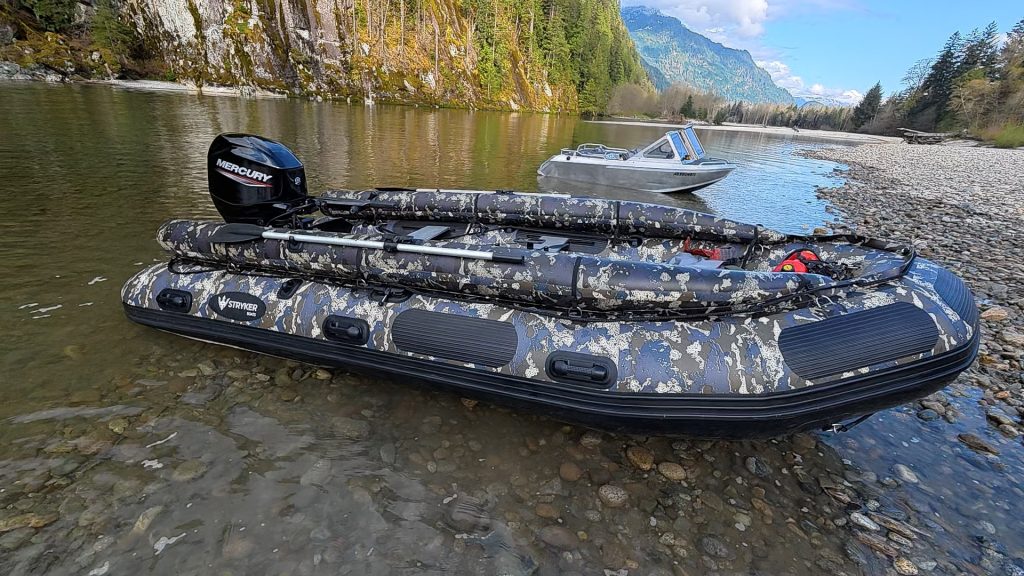
In 2020, customization largely depended on aftermarket installations. By 2026, Stryker boats increasingly reflect integrated planning. Mounting systems, reinforced panels, accessory rails, and improved deck layouts allow for cleaner setups. Instead of adapting the boat to the adventure, the boat now anticipates the adventure. This is a major shift in user experience.
Improved materials and protection
Modern Stryker models feature enhanced rub strakes, reinforced keels, and improved abrasion resistance. While durability was already a brand strength in 2020, the newer models elevate it further. The boats are better suited for repeated beach landings, rocky terrain, and extended field use.
Comfort and usability upgrades
Another difference lies in refinement. Seating options, storage solutions, and floor systems have evolved. Modern layouts prioritize space efficiency without sacrificing structural rigidity. By 2026, inflatable boats are no longer viewed purely as utility craft. They are comfortable enough for longer outings while maintaining rugged capability.
Performance evolution
Performance expectations have changed significantly between 2020 and 2026.
In 2020, users focused on stability and load capacity. Speed and efficiency were appreciated but not central. By 2026, improved hull geometry and structural integrity allow for:
- Better fuel efficiency
- Higher horsepower compatibility
- Smoother planing
- Improved tracking in open water
The boats now handle both calm lakes and rougher coastal waters with greater confidence.
Customer expectations: Then vs now
Perhaps the most interesting shift is not purely mechanical. It is psychological.
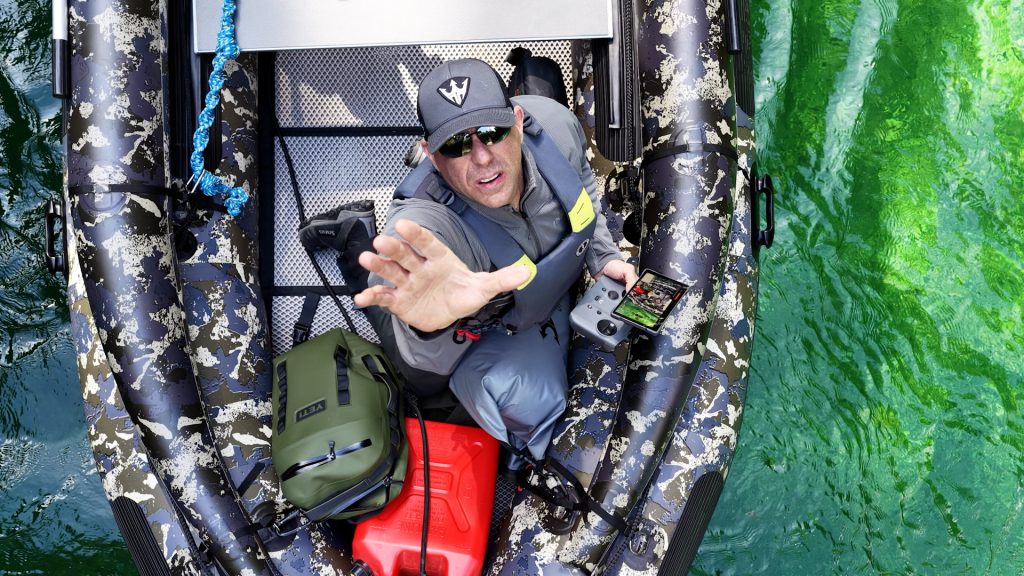
In 2020, buyers expected a tough, affordable inflatable boat that could handle weekend fishing trips or hunting excursions. By 2026, buyers expect:
- Expedition-level durability
- Integrated mounting systems
- Higher engine compatibility
- Lower long-term maintenance
- Professional-grade construction
The market has matured, and Stryker has adapted accordingly.
The bigger picture
The difference between Stryker Boats in 2020 and 2026 represents more than product iteration. It reflects a broader trend in marine manufacturing. Consumers now demand equipment that combines portability with structural engineering excellence. They want inflatable boats that feel permanent, reliable, and purpose-built. Stryker’s evolution shows a brand responding to real-world usage patterns and upgrading its designs accordingly.
Looking at Stryker Boats in 2020 versus 2026 highlights a clear progression from rugged utility craft to refined, performance-driven inflatable systems.